Humboldt Rain Gear for Kids: What Outdoor School Layers Actually Work
Gear guide · Growing With Nature School, McKinleyville, CA
On the North Coast there is no such thing as bad weather — only under-dressed children. Here is exactly how we layer kids for fog, drizzle, and mud at our nature-based outdoor school in McKinleyville, California.
Humboldt weather is mild, wet, and relentless
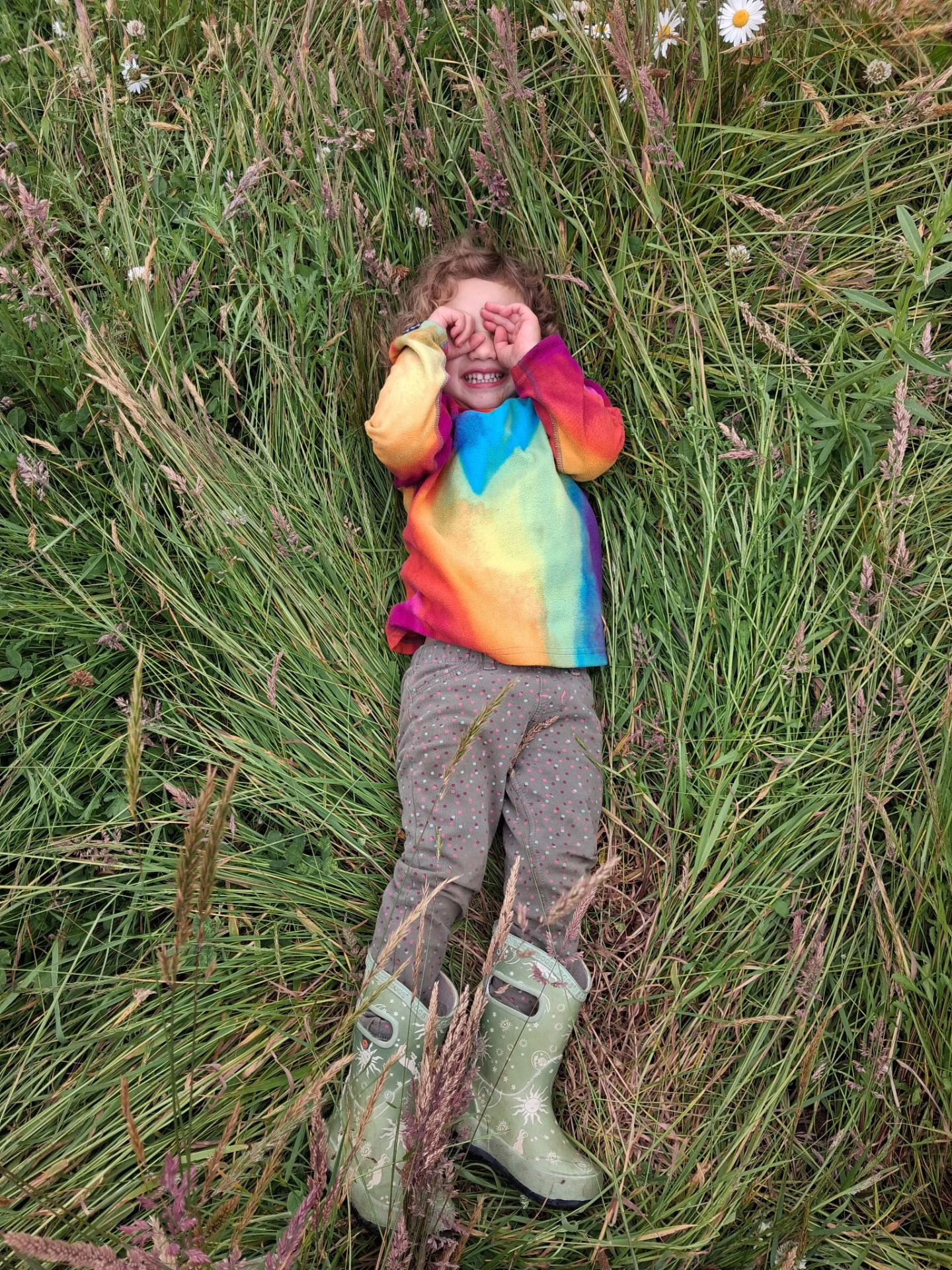
Families new to outdoor programs in Humboldt County are often surprised by how rarely it is truly cold here — and how constantly it is damp. Coastal fog rolls through McKinleyville most mornings, winter brings weeks of drizzle, and the yard holds mud well into spring. Cotton sweatshirts soak that up and stay wet all day. Wool and synthetics do not.
The three-layer system we use every day
1. Base layer: merino wool or synthetic
A long-sleeve merino top and bottom is the single best purchase a Humboldt family can make. Wool keeps a child warm even after it gets damp, resists odor for days, and can be worn under anything. Skip cotton entirely for base layers.
2. Mid layer: fleece
A simple fleece pullover or zip jacket handles most of our 50-degree fog days. Two thin fleeces beat one thick coat, because a child who is exploring hard will overheat and need to shed something.
3. Shell: a real rain suit, not a jacket
Rain bibs or a full puddle suit are what make wet-weather play possible. A jacket alone leaves the seat and knees soaked within ten minutes of digging. Look for taped seams, elastic cuffs, and boot-length legs.
Boots, hats, and hands
- Insulated rain boots one size up, with a wool sock inside.
- A wool beanie — most heat leaves through a bare head on foggy mornings.
- Waterproof mittens, plus a spare pair. Wet hands end a day faster than anything.
- A full change of clothes in the bag, every single day.
Why we go out in the rain anyway
Wet-weather play is not something we tolerate — it is part of the curriculum. Rain changes the yard completely: puddles become rivers, mud becomes a building material, worms appear. Children who learn that discomfort is manageable, and that their body can be cared for, build the same regulation skills we describe in our core philosophy on nervous system regulation. That confidence carries into everything else.
Related reading
If you are still deciding whether this approach fits your family, read what child-led learning actually looks like day to day, or see the daily rhythm of our McKinleyville day and the Humboldt communities we serve — McKinleyville, Arcata, Trinidad, Westhaven, Fieldbrook, and Eureka.
Wondering if we’re the right fit?
Our parent questionnaire is the best first step for families in McKinleyville, Arcata, Trinidad, and Eureka.
Start Parent Questionnaire